"How often should I bring my dog in?" is the question I hear most at the salon. The honest answer is that it depends on the coat. Here's the schedule I recommend for the breeds I see most often in Ridgewood, based on more than 28 years of grooming.
Use this as a starting point. Your dog's lifestyle, how much brushing you do at home and the length you like all change the timing, so ask at your next appointment and I'll tailor it.
| Coat type | Common breeds | Full groom every |
|---|---|---|
| Curly, non-shedding | Doodles, poodles, bichons | 4–6 weeks |
| Long, silky | Shih tzus, Maltese, Yorkies, Havanese | 4–6 weeks |
| Wire | Schnauzers, Westies, wire fox terriers | 6–8 weeks |
| Double coat | Golden retrievers, huskies, shepherds | 6–8 weeks (bath and de-shed) |
| Short, smooth | Labs, beagles, boxers, pit mixes | 8–12 weeks (bath and tidy) |
Doodles and poodles: every 4–6 weeks
Curly coats don't shed much, which means loose hair stays in the coat and turns into mats fast, especially behind the ears, under the collar and in the armpits. Doodles that go longer than six or seven weeks between grooms often need a shorter cut to get the coat healthy again. Brushing all the way to the skin a few times a week makes a big difference.
Shih tzus, Maltese and Yorkies: every 4–6 weeks
Long, silky coats tangle easily and grow over the eyes. Regular trims keep the face clean and comfortable. Between visits, a quick daily comb-out around the face and feet goes a long way.
Terriers and wire coats: every 6–8 weeks
Wire-coated breeds can be clipped or hand stripped. Hand stripping removes dead hair by hand so the new coat grows in with the right harsh texture and rich color. It takes more time, and it isn't right for every dog, but for many terriers it's the best way to keep the coat true to the breed. I'm happy to talk through whether it makes sense for yours.
Double-coated breeds: every 6–8 weeks
Goldens, huskies and shepherds have a soft undercoat that sheds heavily, especially in spring and fall. A bath, thorough blow-out and de-shed removes that loose undercoat. In most cases these coats shouldn't be shaved down, because the double coat helps regulate temperature and may not grow back the same way.
Short-coated dogs: every 8–12 weeks
Labs, beagles and boxers don't need haircuts, but they still benefit from a regular bath, brush-out, nail trim and ear cleaning. Many short-coated dogs shed more than people expect, and a good bath and brush-out helps.
Nails: every 3–4 weeks for most dogs
If you can hear your dog's nails clicking on the floor, they're too long. Long nails change the way a dog stands and walks. Many clients book a quick nail trim between full grooms.
Your puppy's first groom
Start early. Once your puppy has had their vaccinations, a short first visit with a bath, nail trim and gentle face tidy teaches them that grooming is calm and safe. Puppies who start young almost always grow into easier, happier grooming clients.
Between grooms
- Brush a few times a week, all the way down to the skin.
- Check ears weekly for redness or odor.
- Keep the hair between paw pads short to prevent slipping.
- Ask me at pickup when your dog should come back. I'll recommend a schedule that fits their coat.
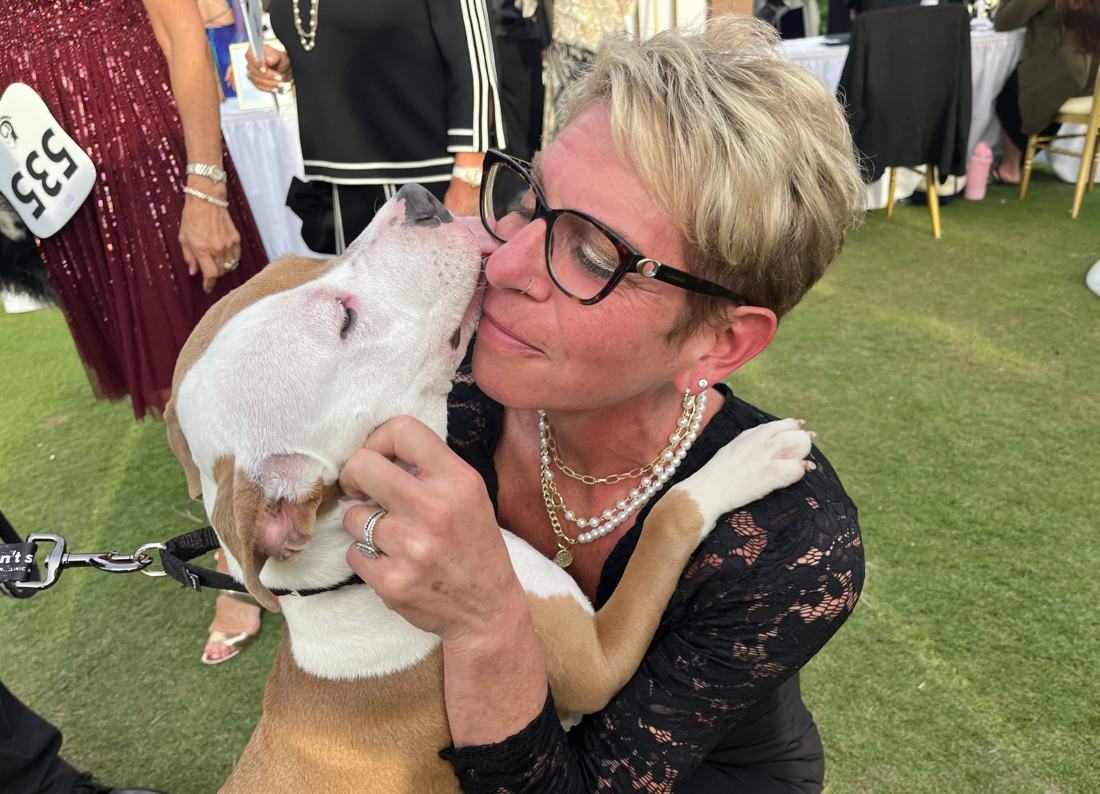
Owner and master groomer at FURology in Ridgewood, NJ. Nicole has been grooming for more than 28 years, earned her certification at Nanhall grooming school in 1997 and specializes in hand scissoring and hand stripping.